
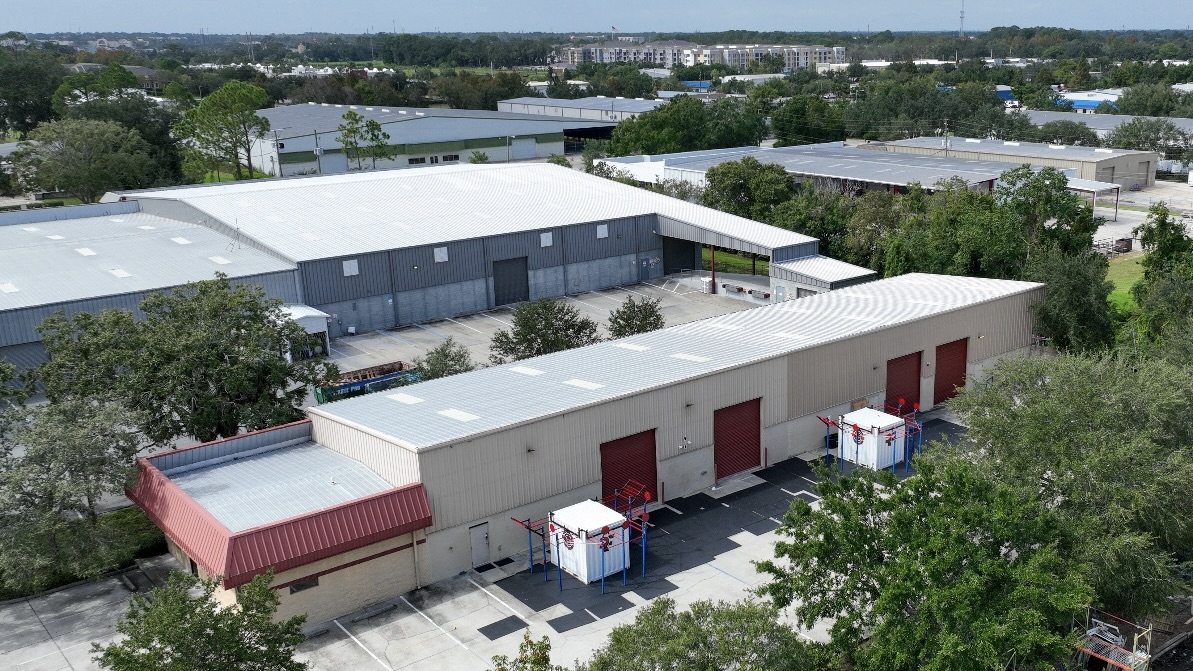
Documented commercial roof damage, built for the adjuster's desk.
Commercial roof inspection, damage documentation, and complete-scope claim support for Washington DC property owners and managers.
What a Commercial Roof Claim Actually Needs
A commercial roof claim rises or falls on what gets recorded before the tarp goes up. Adjusters working large commercial losses rarely climb every roof themselves, and even when they do, a single walkthrough rarely catches everything a wind event or a hail cell left behind. Our job, as the roofing contractor on the property, is to get ahead of that gap: photograph the damage while it's fresh, measure what the storm actually did, and put it in front of the adjuster in a form a commercial carrier can act on.
Washington's commercial roof stock complicates that work in ways a suburban office park doesn't. Federal-adjacent office buildings downtown sit behind security protocols that limit access windows. Historic rowhouse-commercial buildings converted to retail and office use often carry flat roofs added decades after the original construction, with parapets and party walls that hide damage from the street. Newer NoMa and Navy Yard properties bring larger membrane fields and rooftop mechanical yards dense enough that a single missed unit can leave real damage undocumented. Height-limited roofscapes across the District pack HVAC penetrations, vent stacks, and equipment curbs into a tight footprint, and every one of those penetrations is a place wind-driven rain or hail can open a claim-worthy hole.
Meeting the Adjuster on the Roof
When a carrier schedules an inspection, we try to be there. Walking the roof alongside the adjuster means fewer damaged areas get missed because nobody pointed them out, and it means questions about roof age, prior repairs, or membrane condition get answered by the people who were actually on the roof taking photos and measurements the week before. We bring our own documentation to that meeting rather than relying on memory or a verbal description.
Building the Complete Scope
The scope we write covers what a full repair or replacement actually requires, beyond the visible tear or the obvious dent. That means code and ordinance upgrades triggered by the DC Construction Codes when a roof is opened up for repair, insulation and cover board that has to match the existing assembly rather than get patched with whatever is on the truck, and flashing details that were never brought up to current standard the last time someone was on that roof. Matching existing membrane color and material where a partial repair is proposed is part of that scope too: a mismatched patch on a membrane that's supposed to last another decade isn't a complete repair.
When Claims Get Denied or Underpaid
Commercial roof claims get denied or underpaid for a short list of recurring reasons: damage attributed to age or wear instead of the storm event, a scope that only covers the obvious repair and skips the underlying insulation or deck issue, or a desk review that never accounted for what the roof actually looks like from above. When we document a roof, we're building the record that makes those disputes easier to resolve: dated photos, moisture readings where wet insulation is suspected, and measurements that tie damage to a specific storm date rather than a general condition.
We're your roofing contractor, not a public adjuster: we document and substantiate the roof damage so you and your adjuster work from an accurate scope. We don't file the claim, negotiate the settlement, or promise a coverage outcome. What we control is the roof-side evidence: what's damaged, how it happened, and what it actually takes to fix it correctly.
Questions We Answer Before Work Starts
Does insurance cover commercial roof replacement?
It depends on the policy, the cause of loss, and the roof's documented condition before the event. A roof damaged by a covered peril like wind or hail is typically eligible for repair or replacement under most commercial property policies, but the extent of coverage comes down to what the adjuster's inspection and the contractor's documentation show. We don't make coverage determinations, that's the carrier's call, but we make sure the roof-side facts are complete before that call gets made.
What does the claim process look like from the roofing side?
We inspect the roof, document what we find with photos and measurements, and put together a written damage assessment. If the carrier schedules an adjuster visit, we try to be on the roof for it. From there, the scope we've written becomes the reference point for repair or replacement discussions between you and your insurer.
What happens if a claim gets denied?
A denial isn't always the end of the conversation. Sometimes it reflects an incomplete inspection or a scope that didn't capture the full extent of the damage. We can re-inspect, add documentation the original review may have missed, and give you and your adjuster additional information to work with. We can't guarantee a reversal, but incomplete documentation is a fixable problem.
Who decides repair versus replacement?
That decision sits with the property owner and the insurance carrier, informed by the roof's condition. We provide the technical basis for that call, core cuts, moisture scans, membrane age, and the extent of storm damage relative to the roof's remaining service life, so the decision is grounded in what the roof actually needs rather than a guess.
Do I still need my own public adjuster?
Some owners bring in a public adjuster to manage the claim and negotiate with the carrier, and that's a separate professional relationship from ours. We stay in the roofing lane: inspection, documentation, and scope. If you're working with a public adjuster, we're glad to share our roof documentation with them directly.
How fast can documentation happen after a storm?
We prioritize storm-damaged commercial roofs and can usually get on site within a day or two of a call, sooner for active leaks that need temporary protection first. Getting photos and measurements recorded quickly matters because weather keeps moving and damage can compound if it sits undocumented.