
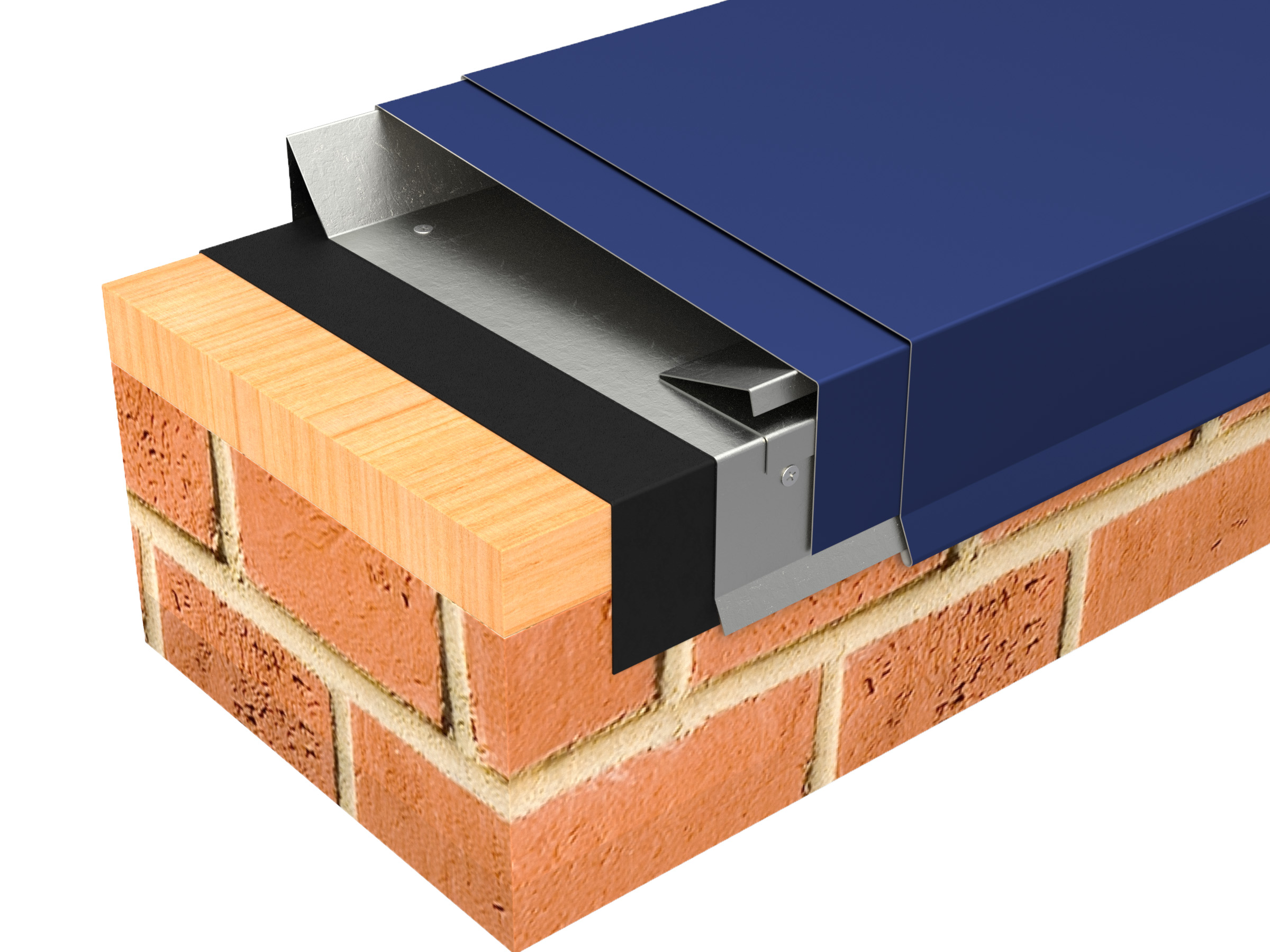
Ice dam and heavy snow roof damage, documented for the claim file.
Drainage inspection, ice-dam documentation, and freeze-thaw damage scoping for Washington DC commercial roofs through the winter season.
What DC Winters Do to a Commercial Roof
Washington doesn't get the deep snowpack of a New England winter, but the snow it does get tends to arrive wet and heavy, and the freeze-thaw swings that follow are what actually damage a commercial roof. A storm drops several inches of dense, water-loaded snow, sun and daytime temperatures partially melt it, and refreezing overnight turns that meltwater into ice at drains, scuppers, and roof edges. That cycle can repeat several times across a single winter, and each round adds stress to membrane seams, drain lines, and edge details that a summer storm never touches.
Ice dams are the clearest example. Meltwater runs toward a drain or scupper, refreezes before it can discharge, and backs up behind the ice. On a flat commercial roof that backup doesn't run off a shingle edge the way it would on a house: it ponds against the membrane, works into seams, and finds its way through any weak point in the assembly. Rooftop equipment and dense HVAC penetrations common on Washington's height-limited roofscapes multiply the number of places that backed-up water can get behind flashing.
Snow Load and Roof Stress
Heavy wet snow carries far more weight per inch than dry powder, and older commercial roofs, including flat-roof rowhouse conversions built for a different era of loading assumptions, can show stress under a significant accumulation. We look for signs of overstressed decking, sagging between structural members, and drainage points that have been blocked by drifted or compacted snow long enough to create standing load in one area of the roof.
What Documentation Looks Like for Winter Damage
We photograph ice buildup at drains and edges, membrane damage where ice has worked into a seam, and any interior signs of water intrusion tied to the freeze-thaw cycle. Where ponding or backed-up water has caused a leak, we trace it to the specific drainage point that failed rather than leaving it as a general roof leak. Dated photos across a freeze-thaw event help establish the pattern an adjuster needs to connect the damage to winter weather rather than a pre-existing condition.
Repairing What Winter Damages
A winter-damage scope usually centers on drainage: clearing and repairing blocked drains and scuppers, resealing membrane seams that ice has worked open, and correcting flashing details that let backed-up meltwater behind them. Where snow load has stressed the deck or structure, that gets documented separately and referred for the appropriate structural review before any roofing repair moves forward.
We're your roofing contractor, not a public adjuster: we document the ice and snow damage and build a scope that reflects what the roof actually needs, so you and your adjuster work from the same facts. We don't file the claim or negotiate the settlement; we handle the roof-side evidence and the repair.
Common Questions About Snow & Ice Damage Claims
Are ice dams covered by commercial property insurance?
Coverage depends on the policy and the carrier's review of the cause and extent of damage. Ice dam damage is a recognized cause of loss on many commercial policies, but the specific determination is the carrier's call. We document the damage so that determination is made with complete information.
How does heavy snow differ from ice damage on a flat roof?
Snow load is primarily a weight and structural concern, while ice damage is a drainage and water-intrusion concern from meltwater that refreezes at drains and edges. Both can occur from the same storm cycle, and we document each separately since they point to different repair needs.
Can winter roof damage be documented after the snow has melted?
Some evidence, like interior water stains, membrane damage at drains, and displaced flashing, remains visible after the snow is gone. It's easier to build a strong claim record if we can inspect during or immediately after an ice event, but a delayed inspection can still identify and document real damage.
Does DC get enough snow for this to be a real risk?
Washington's winters bring several snow and ice events most years, and the freeze-thaw pattern that causes ice dams doesn't require a major blizzard to happen: a modest snowfall followed by a sunny day and a refreeze overnight is enough to start the cycle at a poorly draining roof section.
What should happen immediately after ice dam damage is found?
Clearing the blocked drainage point safely and getting temporary protection over any active leak comes first. Documentation should happen alongside that response, not after, since photos of the ice and the backup are part of the record an adjuster needs.